
iPhone
Comparer les modèles
Aperçu des différences
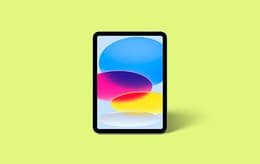
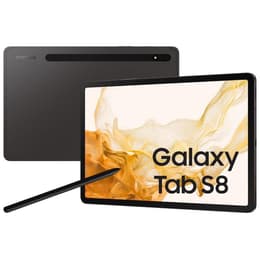
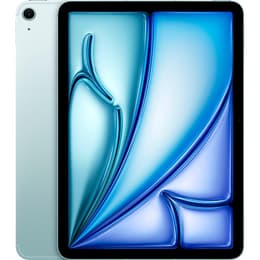
The Samsung Galaxy Tab S8, released in 2022, and the Apple iPad Air M2, launched in 2024, represent distinct approaches to the tablet experience. While both offer 11-inch displays and aim for versatility, they operate on different ecosystems—Android for the Tab S8 and iPadOS for the iPad Air M2. Key differentiators include their respective processors, display refresh rates, and stylus inclusion. This comparison will explore their practical differences to help users determine which device best suits their needs.
Couleur
Stockage
Comparing the longevity of these two tablets involves looking at their release timelines and expected software support.
The Galaxy Tab S8, launched in February 2022, benefits from Samsung's commitment to software updates, typically receiving four major Android OS updates and five years of security updates from its release. This means it will likely receive major OS updates until around 2026 and security patches until 2027. The iPad Air M2, released in May 2024, is expected to receive iPadOS updates for a longer duration, typically five to seven years, extending its software lifespan well into the late 2020s or early 2030s.
Année de sortie
Système d'exploitation
The performance of these tablets is influenced by their respective processors and operating system optimizations.
The Galaxy Tab S8 is powered by a high-end processor from its release year, enabling smooth handling of demanding applications and multitasking. The iPad Air M2, featuring a more recent and powerful chip, delivers enhanced processing capabilities, resulting in exceptionally fluid performance across various tasks, from intensive gaming to professional creative work.
The visual experience on these tablets is shaped by their display technology and specifications.
Both tablets feature 11-inch displays, offering ample screen real estate for productivity and entertainment. The Galaxy Tab S8 utilizes an LTPS TFT LCD panel with a higher refresh rate, while the iPad Air M2 features a Liquid Retina IPS LCD display with a standard refresh rate.
Résolution
Densité des pixels
This section compares the camera systems and audio output of both tablets.
Both tablets are equipped with capable camera systems suitable for video calls and casual photography, alongside stereo speakers for media consumption. The iPad Air M2 introduces a notable change in its front camera placement.
Beyond core features, several practical elements differentiate these tablets.
Connectivity, port types, and biometric security are important considerations for daily use. Both tablets offer modern connectivity standards and robust security features.
Poids (en grammes)
Taille écran (pouces)
Réseau
Verrouillage opérateur
User feedback for the Galaxy Tab S8 often praises its vibrant 120Hz LCD display, the inclusion of the S Pen, and its strong performance for an Android tablet. Some users note that Android's tablet app ecosystem, while improved, still has areas for growth compared to iPadOS. The iPad Air M2 is frequently lauded for its exceptional performance driven by its advanced chip, its long software support, and the refined iPadOS experience. A common point of discussion for the iPad Air M2 is its 60Hz display, which some users feel is a limitation compared to higher refresh rate competitors.
Users prioritizing a smooth visual experience with a high refresh rate display and who are integrated into the Android ecosystem, especially those who value an included stylus for note-taking and drawing, may find the Galaxy Tab S8 well-suited to their needs. Its expandable storage also offers flexibility for media and large files. Conversely, individuals seeking the highest raw performance for demanding applications, a longer software support lifespan, and the extensive app ecosystem of iPadOS will likely lean towards the iPad Air M2. Its landscape front camera is also a significant advantage for frequent video calls. Both devices offer robust capabilities, and choosing between them often comes down to ecosystem preference, specific performance requirements, and display priorities. For those considering a more sustainable choice, quality-assured refurbished options for both models are available, offering an eco-friendly alternative.