iPhone 16 Pro Max vs Xiaomi Redmi 12C

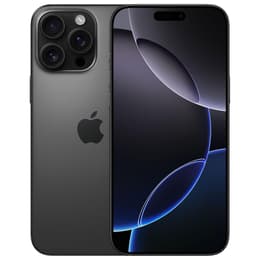
iPhone 16 Pro Max
iPhone 16 Pro Max
À partir de

Prix reconditionné :857,00 €

contre 1 479,00 € neuf

Voir les options
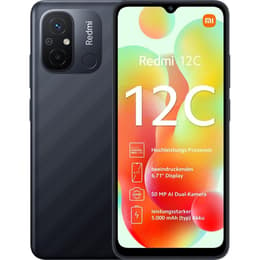
Xiaomi Redmi 12C
Xiaomi Redmi 12C
À partir de

Prix reconditionné :94,00 €

contre 229,00 € neuf

Voir les options

Notes

The iPhone 16 Pro Max, released in September 2024, represents Apple's premium smartphone offering, featuring advanced technology and high-end specifications. In contrast, the Xiaomi Redmi 12C, launched in early 2023, is positioned as an accessible entry-level device designed for essential daily use. These two smartphones cater to vastly different user needs, with the iPhone prioritizing cutting-edge performance and sophisticated features, while the Redmi focuses on fundamental functionality and reliability.

Scores

Durabilité

When considering the long-term usability of these devices, their release timelines and software support play a significant role.

  • Release Timeline and Age: The iPhone 16 Pro Max, launched in September 2024, benefits from a more recent release, offering newer hardware and software. The Xiaomi Redmi 12C, released in early 2023, is an older model in comparison.
  • OS Support Duration: Apple typically provides extensive iOS updates for its devices, often spanning five to six years from release. The iPhone 16 Pro Max launched with iOS 18 and was updated to iOS 26.4 by March 2026, suggesting a long period of software relevance. The Redmi 12C, initially running Android 12 with MIUI 13, will likely receive fewer major Android version updates and security patches over a shorter period, typical for entry-level Android phones.
  • Expected Practical Lifespan: Users can expect the iPhone 16 Pro Max to remain fully functional and receive critical updates for a longer duration, making it a suitable choice for those seeking extended device longevity. The Redmi 12C, while durable for its segment, will likely see its software support diminish sooner, potentially impacting its long-term compatibility with newer applications and security standards.

Année de sortie

2024

2022

Compatible dernière mise à jour

Oui

Non

Pliable

Non

Non

Performances

The performance capabilities of the iPhone 16 Pro Max and the Xiaomi Redmi 12C are tailored to different user expectations and workloads.

  • Processing Power: The iPhone 16 Pro Max is equipped with a powerful current-generation chip, designed to handle demanding applications, intensive multitasking, and graphically rich games with smooth responsiveness. Its architecture is optimized for high efficiency and sustained performance. The Redmi 12C features an entry-level processor, which is well-suited for everyday tasks such as web browsing, social media, and light applications.
  • Multitasking and Responsiveness: The iPhone 16 Pro Max offers a highly fluid user experience, allowing for seamless transitions between multiple open applications and quick loading times. Its ample memory supports complex operations without slowdowns. The Redmi 12C provides adequate responsiveness for typical daily usage, though users engaging in heavy multitasking or running more resource-intensive applications might notice occasional delays.
  • Storage Options: The iPhone 16 Pro Max comes with generous internal storage options, starting from 256GB and going up to 1TB, catering to users with extensive media libraries and numerous applications. The Redmi 12C offers more modest internal storage, typically ranging from 32GB to 128GB, but includes the flexibility of expandable storage via a microSD card, which can be beneficial for users who need additional space for photos and videos.

Mémoire (Go)

8 Go

3 Go

Qualité de l'écran

The visual experience offered by these two devices differs significantly due to their display technologies and specifications.

  • Display Technology and Clarity: The iPhone 16 Pro Max features a Super Retina XDR OLED display, which delivers deep blacks, vibrant colors, and excellent contrast. Its high resolution of 2868x1320 pixels results in sharp and detailed visuals. The Redmi 12C utilizes an IPS LCD panel with an HD+ resolution of 1650x720 pixels. This display provides clear visuals for general use, though it offers less detail and color depth compared to an OLED screen.
  • Brightness and Refresh Rate: The iPhone 16 Pro Max boasts impressive brightness levels, reaching up to 2000 nits peak brightness for outdoor viewing, ensuring readability even in bright sunlight. It also features ProMotion technology, offering an adaptive refresh rate up to 120Hz for exceptionally smooth scrolling and fluid animations. The Redmi 12C has a typical brightness of 500 nits, which is suitable for indoor use but may be less visible in direct sunlight. It operates at a standard 60Hz refresh rate, providing a consistent but less fluid visual experience compared to higher refresh rate displays.
  • Screen Size and Viewing Experience: Both devices offer large screens, with the iPhone 16 Pro Max featuring a 6.9-inch display and the Redmi 12C a 6.71-inch display. The iPhone's OLED panel and higher resolution enhance the immersive quality for media consumption and detailed content. The Redmi's larger LCD screen still provides ample space for browsing and video viewing, making it practical for everyday entertainment.

Résolution

1320 x 2868

720 x 1650

Type d'écran

LTPO Super Retina XDR OLED

IPS LCD

Audiovisuel

The camera systems on the iPhone 16 Pro Max and the Xiaomi Redmi 12C are designed for different levels of photographic ambition.

  • Camera System Capabilities: The iPhone 16 Pro Max features a versatile pro camera system, including a 48MP main sensor, a 48MP ultra-wide lens, and a 12MP telephoto lens with 5x optical zoom. This setup allows for a wide range of photographic styles, from expansive landscapes to detailed close-ups. The Redmi 12C is equipped with a 50MP main camera, complemented by an auxiliary depth sensor. This configuration is designed for straightforward photography.
  • Photography Performance: The iPhone 16 Pro Max excels in various lighting conditions, producing highly detailed images with accurate colors and excellent dynamic range, even in low-light environments. Its advanced computational photography features enhance image quality significantly. The Redmi 12C performs well in bright conditions, capturing clear and usable photos for social sharing. However, its low-light performance is more limited, and images may show more noise and less detail compared to the iPhone.
  • Video Recording and Audio: The iPhone 16 Pro Max offers advanced video recording capabilities, including 4K Dolby Vision HDR and ProRes video, providing professional-grade quality for content creators. Its microphone quality is also designed for clear audio capture. The Redmi 12C supports 1080p video recording at 30 frames per second, suitable for casual video capture. Both devices offer integrated speakers for media consumption, with the iPhone generally providing a richer audio experience.

Caméra principale

48 megapixels

50 megapixels

Caméra frontale

12 megapixels

5 megapixels

Divers

Beyond core features, several practical elements differentiate the user experience of these two smartphones.

  • Connectivity and Ports: The iPhone 16 Pro Max supports the latest connectivity standards, including 5G and Wi-Fi 7, ensuring fast and reliable wireless communication. It features a USB-C port for charging and data transfer. The Redmi 12C supports 4G LTE networks and Wi-Fi 5 (802.11ac). It uses a Micro USB 2.0 port for charging and data, and notably includes a 3.5mm headphone jack, which is absent on the iPhone.
  • Biometric Security: The iPhone 16 Pro Max relies on Face ID for secure facial recognition, offering a convenient and robust unlocking method. The Redmi 12C provides a rear-mounted fingerprint sensor for secure unlocking, along with AI face unlock.
  • Build Materials and Handling: The iPhone 16 Pro Max features a premium design with a titanium frame and Ceramic Shield front, contributing to its durability and refined feel. It also boasts an IP68 rating for water and dust resistance. Weighing 227 grams, it is a substantial device. The Redmi 12C has a plastic body, which makes it lighter at 192 grams and offers a comfortable grip. It does not carry an official water resistance rating.

Poids (en grammes)

227 g

192 g

Taille écran (pouces)

6.9

6.71

Réseau

5G

4G

Carte SIM

SIM physique + eSIM

Double SIM physique

Verrouillage opérateur

Débloqué tout opérateur

Débloqué tout opérateur

Connecteur

USB-C (USB 3)

micro USB + Jack 3.5mm

The iPhone 16 Pro Max and the Xiaomi Redmi 12C serve distinct segments of the smartphone market, each excelling in different areas based on user priorities. User feedback for the iPhone 16 Pro Max frequently highlights its exceptional camera capabilities, powerful performance for demanding tasks, vibrant display, and extended battery life as key strengths. Common praise for the Redmi 12C centers on its impressive battery longevity, practical functionality for everyday communication, and the inclusion of expandable storage.

Conversely, some users note that the Redmi 12C can experience occasional performance stutters and has a slower charging speed. The iPhone, while offering top-tier features, is designed for users who require the most advanced technology available.

Users prioritizing a premium experience with cutting-edge performance, a sophisticated camera system, and a high-quality display will find the iPhone 16 Pro Max well-suited to their needs. This device is ideal for professionals, content creators, and mobile gamers who demand the best in terms of speed, visual fidelity, and photographic versatility. For individuals seeking a reliable device for essential communication, web browsing, and casual media consumption, the Xiaomi Redmi 12C offers a practical solution. It is a suitable choice for students or those who value long battery life and expandable storage over advanced features.

Both devices, whether new or as quality-assured refurbished options, provide a pathway to informed and sustainable choices in the electronics market.

Découvrez tous nos articles

Nos comparaisons récentes