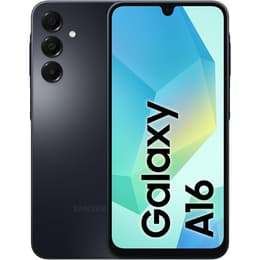
Galaxy A16 vs iPhone 16 Plus

Galaxy A16
Galaxy A16
À partir de

Prix reconditionné :140,00 €

contre 249,00 € neuf

Voir les options
iPhone 16 Plus
iPhone 16 Plus
À partir de

Prix reconditionné :559,00 €

contre 969,00 € neuf

Voir les options

Notes

The Samsung Galaxy A16 and the iPhone 16 Plus are both smartphones released in late 2024, offering distinct experiences within their respective operating systems. The Galaxy A16, an Android device, focuses on a large display and extended software support, while the iPhone 16 Plus, running iOS, emphasizes a powerful processor and advanced camera capabilities. These devices cater to different user preferences, with the Galaxy A16 positioned as a feature-rich option and the iPhone 16 Plus as a premium device with a focus on performance and ecosystem integration.

Scores

Durabilité

When considering the longevity of these devices, both the Galaxy A16 and the iPhone 16 Plus offer substantial software support, though with different timelines and update philosophies.

  • Software Updates: The Samsung Galaxy A16 is notable for its commitment to six generations of Android OS upgrades and six years of security updates, extending its support until October 2030. The iPhone 16 Plus, running iOS, also receives consistent updates, with all iPhone 16 models supporting iOS 26, released in September 2025.
  • Practical Lifespan: The Galaxy A16's extended update policy suggests a practical lifespan where the device remains secure and compatible with new applications for a considerable period. The iPhone 16 Plus benefits from Apple's reputation for long-term software support, ensuring its usability and access to the latest features for many years.
  • Durability Features: The iPhone 16 Plus features Ceramic Shield front protection and an aluminum design, contributing to its physical resilience. It also boasts an IP68 rating for dust and water resistance, allowing submersion up to 6 meters for 30 minutes. The Galaxy A16 has an IP54 rating, offering protection against dust and splashes.

Année de sortie

2024

2024

Compatible dernière mise à jour

Oui

Oui

Pliable

Non

Non

Performances

The performance of a smartphone is crucial for daily tasks, and these two devices approach it with different hardware and software optimizations.

  • Processing Power: The iPhone 16 Plus is equipped with an A18 chip, which provides a responsive experience for demanding applications and multitasking. Users report that the iPhone 16 Plus handles day-to-day use with speed and does not struggle or slow down. The Galaxy A16 is powered by an Exynos 1330 or MediaTek Dimensity 6300 processor, depending on the region, designed for efficient operation and smooth multitasking.
  • Multitasking and Storage: The iPhone 16 Plus comes with 8GB of RAM and storage options up to 512GB, providing ample space and smooth operation for multiple applications. The Galaxy A16 offers RAM options of 4GB, 6GB, or 8GB, and storage up to 256GB, with a microSDXC card slot for expandable storage. Some users of the Galaxy A16, particularly those with 4GB RAM models, have noted occasional sluggishness and stuttering during use.
  • User Experience: The iPhone 16 Plus integrates Apple Intelligence, offering advanced AI features for a more personalized and private experience. While the Galaxy A16 provides a solid experience for everyday tasks, some reviews indicate that its performance, especially with lower RAM configurations, might not be as consistently fluid as higher-end devices.

Mémoire (Go)

4 Go

8 Go

Qualité de l'écran

The visual experience is a key differentiator, with both devices offering large displays but varying in technology and refresh rates.

  • Display Technology and Size: Both the Galaxy A16 and the iPhone 16 Plus feature a 6.7-inch display. The Galaxy A16 utilizes a Super AMOLED display, known for its vibrant colors and deep blacks. The iPhone 16 Plus features a Super Retina XDR OLED display, which also delivers rich colors and high contrast.
  • Resolution and Brightness: The Galaxy A16 has a resolution of 1080 x 2340 pixels, resulting in a pixel density of approximately 396 ppi. It offers a maximum brightness of 800 nits in high brightness mode. The iPhone 16 Plus provides a higher resolution of 2796 x 1290 pixels at 460 ppi. Its display can reach 1000 nits typical maximum brightness and up to 2000 nits peak brightness outdoors.
  • Refresh Rate and Smoothness: The Galaxy A16 features a 90Hz refresh rate, contributing to smoother scrolling and a more fluid visual experience compared to standard 60Hz displays. The iPhone 16 Plus maintains a 60Hz refresh rate, which some users might find less smooth for fast-paced content or scrolling compared to devices with higher refresh rates.

Résolution

1080 x 2340

1290 x 2796

Type d'écran

Super AMOLED

Super Retina XDR OLED

Audiovisuel

Camera capabilities are a significant factor for many users, and both smartphones offer distinct photographic and videographic features.

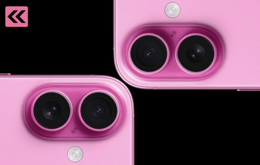
  • Rear Camera Systems: The Galaxy A16 features a triple camera setup on the rear, including a 50MP wide-angle primary camera, a 5MP ultrawide camera, and a 2MP macro camera. The iPhone 16 Plus is equipped with an advanced dual-camera system, featuring a 48MP Fusion Main camera with sensor-shift optical image stabilization and a 12MP Ultra Wide camera. The 48MP main camera also enables a 12MP 2x telephoto option.
  • Photography Features: The iPhone 16 Plus includes features like Photonic Engine, Deep Fusion, and Smart HDR 5 for enhanced image processing, along with next-generation portraits with Focus and Depth Control. It also supports spatial video recording. The Galaxy A16's camera system is generally considered good for everyday performance, though some users have noted that photo quality can be mediocre in bright light and challenging in low light conditions.
  • Video Recording and Front Camera: The iPhone 16 Plus supports 4K Dolby Vision video recording at up to 60 frames per second. Its front camera is a 12MP sensor with autofocus. The Galaxy A16 records video at Full HD (1920 x 1080) at 30 frames per second and has a 13MP front camera.

Caméra principale

50 megapixels

48 megapixels

Caméra frontale

13 megapixels

12 megapixels

Divers

Beyond core features, several practical elements contribute to the overall user experience and daily usability of these devices.

  • Connectivity and Ports: Both devices support 5G connectivity and Bluetooth 5.3. The iPhone 16 Plus features Wi-Fi 7 and a USB-C port. The Galaxy A16 supports Wi-Fi 802.11 a/b/g/n/ac and also includes a USB Type-C 2.0 port. The Galaxy A16 also offers a hybrid SIM slot that can accommodate a microSD card for expandable storage.
  • Design and Handling: The iPhone 16 Plus has an aluminum design with a Ceramic Shield front and a color-infused glass back, weighing 199 grams. It includes an Action button and a new Camera Control button for quick access to functions. The Galaxy A16 features a plastic build and weighs around 200 grams.
  • Security and Audio: The iPhone 16 Plus relies on Face ID for biometric authentication. The Galaxy A16 includes a fingerprint scanner. For audio, the iPhone 16 Plus offers Dolby Atmos-tuned Spatial Audio. The Galaxy A16 has a mono speaker, which some users note can distort at higher volumes.

Poids (en grammes)

200 g

199 g

Taille écran (pouces)

6.7

6.7

Réseau

4G

5G

Carte SIM

Double SIM physique

eSIM

Verrouillage opérateur

Débloqué tout opérateur

Débloqué tout opérateur

Connecteur

USB-C

USB-C (USB 2)

The Samsung Galaxy A16 and the iPhone 16 Plus cater to different segments of the smartphone market, each with its own set of strengths and considerations based on user feedback.

The iPhone 16 Plus is often praised for its powerful processing capabilities, ensuring smooth performance across applications and tasks. Users appreciate its long battery life, with some reporting up to two to three days of use on a single charge. The camera system, particularly the main sensor, is noted for its detail and advanced features like spatial video recording. However, some users have expressed disappointment with the 60Hz refresh rate of its display, finding it less fluid compared to competitors, and the absence of a dedicated telephoto lens. The iPhone 16 Plus is well-suited for users who prioritize a highly responsive operating system, robust security features like Face ID, and a powerful camera for general photography and video, especially those already integrated into the Apple ecosystem.

The Samsung Galaxy A16 receives positive remarks for its vibrant Super AMOLED display and its impressive commitment to six years of software updates, which is a significant benefit for long-term usability. Its large battery capacity is also a highlight, providing extended usage. Conversely, common criticisms include occasional sluggishness and stuttering, particularly in models with less RAM, and concerns about the camera's performance in challenging lighting conditions. The Galaxy A16 is a strong contender for users who value a large, colorful display, extensive software support, and long battery life, and who may be more flexible regarding peak performance or advanced camera features. It is also an eco-friendly alternative when considering a quality-assured refurbished option.

Ultimately, the choice between these two devices depends on individual priorities. Users prioritizing a consistently fluid performance, advanced camera processing, and a premium build might lean towards the iPhone 16 Plus. Those who prioritize a vibrant display, long-term software commitment, and expandable storage, and who are comfortable with a more utilitarian performance profile, may find the Galaxy A16 better suited to their needs. Both devices offer compelling features, and considering a refurbished option can provide a sustainable choice for either model.

Découvrez tous nos articles

Nos comparaisons récentes