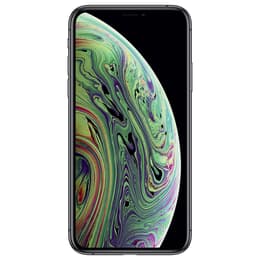

iPhone
Comparer les modèles
Aperçu des différences
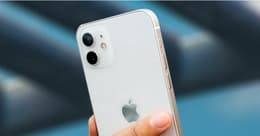
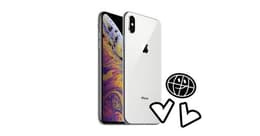
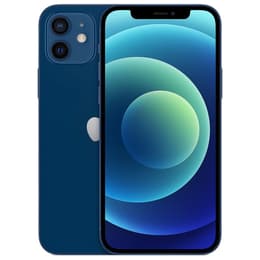
The iPhone 12, released in 2020, and the iPhone XS, launched in 2018, are both smartphones from Apple that operate on the iOS ecosystem. While they share a similar core experience, the iPhone 12 introduces a refreshed design, 5G connectivity, and an enhanced camera system, setting it apart from the iPhone XS's classic aesthetic and established features. Both devices continue to receive software updates, ensuring ongoing functionality and security for daily use. [1]
Couleur
Stockage
The age difference between these two devices significantly impacts their expected functional lifespan and software support. The iPhone 12, being the newer model, offers a longer period of official software updates compared to the iPhone XS. [1]
Année de sortie
Compatible dernière mise à jour
Système d'exploitation
Pliable
While both smartphones capably handle everyday tasks, the iPhone 12's internal hardware provides a more responsive experience for demanding activities due to its more advanced processor. [1]
Both devices feature high-quality display technology that delivers deep blacks and vibrant colors, though they differ in size, brightness, and overall display technology. [1]
Résolution
Type d'écran
The camera systems on these two models offer different photographic strengths, particularly concerning lens configuration, low-light performance, and video capabilities. [1]
Caméra principale
Caméra frontale
Practical features such as network connectivity, physical design, and charging options are key differentiators that influence the daily user experience of these devices. [1]
Poids (en grammes)
Taille écran (pouces)
Réseau
Carte SIM
Verrouillage opérateur
Connecteur
User feedback often highlights the iPhone 12's modern design, improved camera capabilities, and the inclusion of 5G connectivity as significant advantages. Many users appreciate the flat-edge design for a more secure grip and the enhanced low-light photography features. [17, 22, 29] Criticisms for the iPhone 12 sometimes point to the removal of 3D Touch, which was present on the iPhone XS, and some users found the screen size increase from the XS to the 12 to be a subtle rather than a dramatic change. [17, 19]
For the iPhone XS, common praise revolves around its comfortable rounded edges and premium feel due to its stainless steel frame. Users often commend its telephoto lens for portraits and its overall reliability. [1, 17, 20] However, frequent concerns for the iPhone XS include its shorter expected software support timeline compared to newer models and its 4G-only connectivity in an increasingly 5G-enabled world. [1, 2]
Users prioritizing the latest connectivity speeds, a larger and brighter screen, and a device with a longer software update lifespan will find the iPhone 12 well-suited to their needs. [1, 19] Its improved camera, especially in low light, also makes it a strong choice for photography enthusiasts. [15] Conversely, users who prefer a more compact device with a classic ergonomic design, a telephoto camera for optical zoom, and who do not require 5G connectivity may lean towards the iPhone XS. [1, 20] Both models remain capable smartphones for various users. Choosing a quality-assured refurbished option for either device is an excellent way to acquire these technologies while making a sustainable choice. [1]