
iPhone
Comparer les modèles
Aperçu des différences
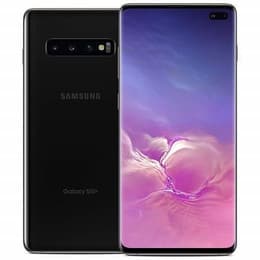
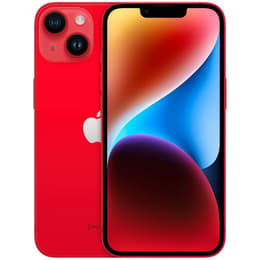
The Samsung Galaxy S10 Plus, released in March 2019, and the iPhone 14, launched in September 2022, represent different generations and operating system ecosystems in the smartphone market. While the Galaxy S10 Plus runs on Android, offering a high degree of customization, the iPhone 14 operates on Apple's iOS, known for its integrated experience and long-term software support. These devices cater to distinct user preferences, with key differences in their core specifications, camera capabilities, and overall user experience.
Couleur
Stockage
When considering the longevity of these devices, their release timelines and software support policies are significant factors.
Année de sortie
Compatible dernière mise à jour
Système d'exploitation
Pliable
The performance of a smartphone is largely determined by its internal components and how efficiently its software utilizes them.
The visual experience on both devices is delivered through high-quality displays, though with some distinctions in technology and characteristics.
Résolution
Type d'écran
Both smartphones offer capable camera systems, designed to capture moments with clarity and detail, though with different approaches and features.
Caméra principale
Caméra frontale
Beyond the core specifications, several practical elements contribute to the overall user experience and daily functionality of these devices.
Poids (en grammes)
Taille écran (pouces)
Réseau
Carte SIM
Verrouillage opérateur
The choice between the Galaxy S10 Plus and the iPhone 14 depends significantly on individual priorities and preferences, reflecting the evolution of smartphone technology over several years.
Users often praise the Galaxy S10 Plus for its vibrant display, the inclusion of a traditional headphone jack, and the flexibility of expandable storage, which was a notable feature at its release. However, common criticisms revolve around its aging software support, meaning it no longer receives major Android updates or regular security patches, and its performance can feel less fluid compared to newer devices, particularly with demanding applications.
The iPhone 14, on the other hand, is frequently lauded for its robust camera capabilities, consistently smooth performance, and Apple's commitment to long-term software updates, ensuring security and access to new features for many years. Some users have expressed minor criticisms regarding the lack of a USB-C port (at its release), the absence of a headphone jack, and for some, the incremental nature of its design changes compared to previous iPhone models.
Users prioritizing an extensive software update lifespan, a highly optimized ecosystem, and advanced camera features for photography and videography will likely find the iPhone 14 well-suited to their needs. Its consistent performance and long-term support make it a reliable choice for those seeking a device that remains current for an extended period. Conversely, individuals who value a larger, high-resolution display, the convenience of a headphone jack, and the flexibility of the Android operating system might lean towards the Galaxy S10 Plus. It remains a capable device for everyday tasks, especially for those who appreciate its specific hardware features. For those considering either device, exploring quality-assured refurbished options can provide an eco-friendly alternative to extend the life cycle of these technologies.